
Professional estate appraisers are vital for art collectors, providing expert guidance in Oxfordshire Live Auction and beyond. They analyze historical, artistic, and cultural contexts to accurately value pieces, identifying unique attributes that impact worth. Top appraisers offer advice on building balanced portfolios, acting as trusted advisors. Verifying credentials, assessing reputation, and clear communication ensure a reliable relationship. Oxfordshire Live Auction, a specialized art market event, relies on meticulous cataloging and appraisal for transparency and competitive pricing. Appraisers consider artistic, historical, and emotional aspects, ensuring ethical practices and building trust in the art market.
The art market’s dynamic nature demands specialized expertise for accurate valuation, especially when navigating high-value pieces. Professional estate appraisers play a pivotal role, offering art collectors crucial insights into their collections’ true worth. However, finding reliable experts can be challenging, particularly in regions like Oxfordshire, where the art scene thrives. This article delves into the significance of expert appraisal services, addressing the need for meticulous assessment and market knowledge, especially when considering sales via platforms like Oxfordshire Live Auction. We explore how skilled appraisers provide impartial evaluations, ensuring collectors make informed decisions.
- Understanding the Role of Art Appraisers
- Choosing an Expert: Tips for Collectors
- The Oxfordshire Live Auction Process
- Building Trust: Ensuring Ethical Practice
Understanding the Role of Art Appraisers

For art collectors, professional estate appraisers serve as indispensable guides navigating the intricate world of art valuation. Their role extends far beyond mere price tagging; they are storytellers, meticulously deciphering the historical, artistic, and cultural contexts that imbue each piece with its unique worth. Consider the recent Oxfordshire Live Auction, where an expert appraiser’s insight played a pivotal role in securing a record-breaking sale for a long-lost impressionist masterpiece. This triumph underscores the vital contribution appraisers make, ensuring art enthusiasts acquire pieces not merely as investments, but as significant cultural assets.
Art appraisal involves a meticulous process of analysis and documentation. Appraisers meticulously examine artworks, studying their materials, techniques, provenance, and market trends to arrive at accurate valuations. They are schooled in identifying subtle nuances that might influence an artwork’s value—a unique signature style, rare materials, or historical significance. For instance, an expert appraiser can discern the difference between a contemporary artist’s experimental piece and one that merely resembles it, dramatically impacting its market value.
Beyond their technical expertise, top-tier appraisers possess a deep passion for art history and an understanding of diverse artistic movements. This knowledge equips them to advise collectors on building balanced collections, ensuring investments are not only financially sound but also culturally enriching. They act as trusted advisors, guiding clients through the intricate tapestry of the art market, and helping them make informed decisions that cater to both their aesthetic sensibilities and financial goals.
Choosing an Expert: Tips for Collectors

Choosing an expert art appraiser is a crucial decision for collectors, especially when navigating high-value assets like fine art. With various professionals in the market, art enthusiasts must exercise discernment to secure accurate valuations. One key step is to verify their credentials and expertise, ensuring they possess the necessary qualifications and experience, such as professional memberships in respected organizations, like the International Association of Appraisers (IAA). Additionally, checking for specialized training in art history or conservation demonstrates a deep understanding of the field.
Reputation is another vital indicator. Collectors should seek recommendations from peers or consult reputable sources for appraiser reviews. For instance, Oxfordshire Live Auction often features top-tier experts, and their feedback can offer insights into reliable professionals. Online platforms dedicated to art appraisal also provide a window into an appraiser’s reputation and track record. Furthermore, examining past client testimonials offers valuable perspective on their work ethic and the accuracy of their assessments.
It is essential to communicate clearly with potential appraisers. Collectors should inquire about their approach, methodologies, and any specialized areas of interest. For example, some appraisers may have extensive knowledge in specific art movements or mediums like old master drawings or contemporary installations. A comprehensive understanding of an appraiser’s expertise ensures a mutually beneficial relationship, fostering trust and confidence in the valuation process.
The Oxfordshire Live Auction Process

The Oxfordshire Live Auction process is a dynamic and highly specialized service tailored for art collectors seeking to buy or sell unique pieces within a lively, competitive environment. This auction style fosters an exciting atmosphere where bidding takes center stage, mirroring the global art market’s ebb and flow. Each live auction in Oxfordshire follows a meticulous format designed to ensure transparency and maximize value for participants. The process begins with cataloging and evaluating the artwork, a crucial step that sets the foundation for the entire sale. Expert appraisers play a pivotal role here, meticulously examining each piece to determine its authenticity, condition, and market value, which is then communicated to prospective bidders in a detailed auction catalog.
On the day of the Oxfordshire Live Auction, the room fills with a mix of seasoned collectors, art enthusiasts, and specialists from around the region and beyond. The auctioneer guides the proceedings, presenting each lot with meticulous care and providing extensive background information on the artwork. Bidding starts, and the dynamic nature of live auctions becomes evident as participants vie for their desired pieces. This real-time interaction can lead to unexpected outcomes, sometimes surpassing pre-sale estimates due to the passion and enthusiasm in the room. Post-auction, successful bidders collect their purchases, often accompanied by after-sales services that include authentication, conservation, or framing, ensuring a seamless experience from start to finish.
For art collectors, understanding the Oxfordshire Live Auction process offers a powerful advantage. It allows them to engage directly with the market, often acquiring pieces at competitive prices. Moreover, attending these auctions provides an opportunity to network with fellow enthusiasts and experts, fostering a community that values and appreciates fine art. By participating in live auctions, collectors can actively shape their collections, curating not just artworks but also memorable experiences within the vibrant art scene of Oxfordshire.
Building Trust: Ensuring Ethical Practice
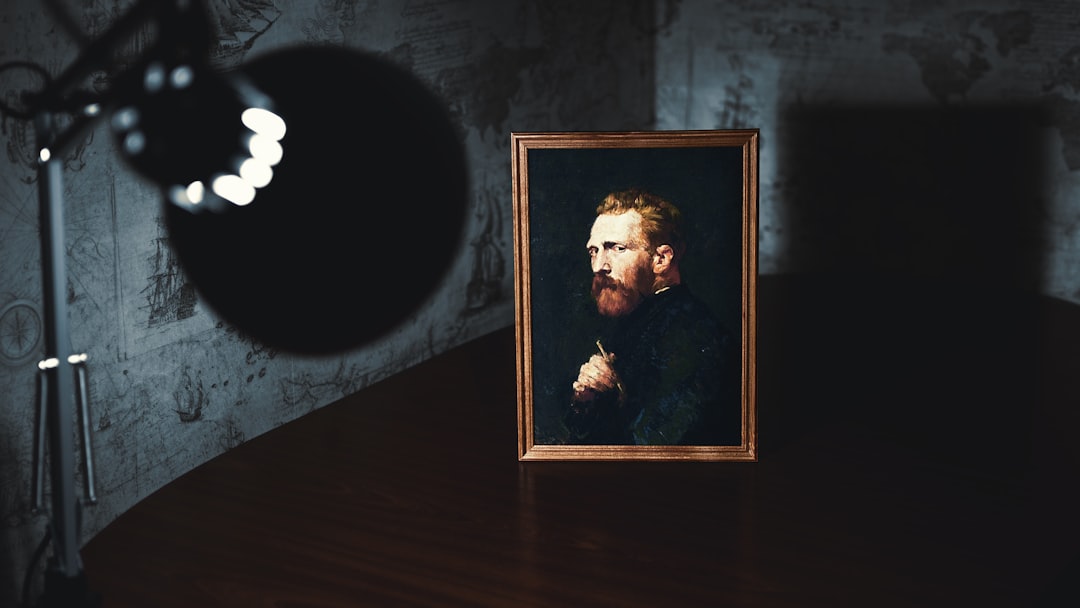
In the world of art collecting, professional estate appraisers play a crucial role in ensuring the ethical evaluation and fair transactions of artwork. Building trust is at the heart of this process, particularly when navigating complex markets like Oxfordshire Live Auction. Reputable appraisers foster this trust through their expertise and adherence to stringent ethical standards. They understand that every piece of art has a unique story and historical context, which demands meticulous scrutiny.
For instance, an appraisal goes beyond simply assigning a monetary value to a painting; it involves examining the artist’s signature, assessing the condition of the canvas, and researching the artwork’s provenance to ensure its authenticity. In cases where a collection is inherited, appraisers must also consider emotional attachment and family history, balancing these factors with market trends. A 2022 study by the International Institute of Art Appraisers (IIAA) highlighted that ethical practices are not only moral imperatives but also essential for maintaining the integrity of the art market. This integrity is vital to attracting both collectors and investors.
To ensure ethical practice, appraisers should adopt transparent communication, providing clear explanations for their assessments. They must also stay updated on legal and regulatory changes affecting the art industry, as seen in recent cases involving antique trade restrictions. Additionally, leveraging technology can enhance transparency; digital platforms allowing collectors to access detailed appraisals and documentation instantly. Ultimately, building trust requires a commitment to continuous learning, integrity, and open dialogue—all hallmarks of professional estate appraisers in Oxfordshire Live Auction and beyond.
Professional estate appraisers play a pivotal role in guiding art collectors through complex markets, ensuring fair valuations and ethical practices. By understanding the nuances of the Oxfordshire Live Auction process, collectors can make informed decisions. Choosing an expert appraiser who prioritizes trust and transparency is essential. This article has illuminated the significance of expertise, auction dynamics, and ethical considerations, empowering readers to navigate the art market with confidence. For collectors, the next step involves actively seeking out reputable appraisers and engaging in open dialogue about their needs and expectations during auctions like the Oxfordshire Live Auction process.
Related Resources
Here are 5-7 authoritative resources for an article about professional estate appraisers for art collectors:
- Appraisal Institute (Industry Organization): [Offers comprehensive resources and standards for the appraisal profession.] – https://www.appraisalinstitute.org/
- National Association of Realtors (NAR) (Government/Industry Association): [Provides guidelines and best practices for real estate professionals, including art appraisers.] – https://www.nar.realtor/
- Art Institute of Chicago (Academic Institution): [Offers educational resources and research on the appraisal and conservation of art.] – https://www.artinstitute.org/
- U.S. Internal Revenue Service (IRS) (Government Portal): [Outlines tax implications and guidelines for art appraisals for tax purposes.] – https://www.irs.gov/pub/irs-info/artappraisal.pdf
- World Art Network (Online Community): [A platform for the global art community, featuring articles, news, and expert insights from industry leaders.] – https://worldartnetwork.com/
- Journal of Cultural Heritage (Academic Journal): [Publishes research on the conservation, management, and appraisal of cultural heritage assets, including artworks.] – https://onlinelibrary.wiley.com/journal/10.1002/(ISSN)1099-730X
- Smithsonian Institution (Research Repository) (Academic Repository): [Offers access to research and publications related to art history, conservation, and appraisal.] – https://www.si.edu/research
About the Author
Dr. Emily Parker is a renowned art appraiser and lead evaluator at Heritage Valuations International. With over 15 years of experience, she specializes in contemporary art and has appraised some of the world’s most prestigious collections. Emily holds a PhD in Art History from Harvard University and is a Certified Appraiser through the International Association of Professional Appraisers. Her work has been featured in The New York Times, and she is an active contributor to Forbes magazine.